Surgical and aesthetic dentistry · Tabriz
Advanced dentistry that puts health first and preserves a natural look
Thoughtful, personalised treatment planning—from restoring oral health to creating a smile that complements your face.

Specialised care
The right treatment path
is different for every smile.
Following a thorough examination and assessment, the most appropriate option is recommended with a clear explanation of each stage.
01Dental implants and implant crowns+
Replacing missing teeth and restoring function and appearance through planning tailored to each patient’s bone, gum health and treatment needs.
Request a consultation ←02Root canal treatment+
Treating infection or damage within the dental pulp to control pain, preserve the tooth and prepare it for a sound restoration.
Request a consultation ←03Wisdom tooth surgery+
Assessment and removal of a wisdom tooth when pain, infection, pressure or damage to neighbouring teeth is present.
Arrange an examination ←04Impacted tooth surgery+
Assessing the position of an impacted tooth and planning surgery around the jaw, surrounding tissues and diagnostic imaging.
Request a consultation ←05Sinus lift+
Preparing the posterior upper jaw for implant treatment after evaluating bone height and quality.
Arrange an assessment ←06Dental restoration+
Restoring a damaged or decayed part of a tooth while preserving its structure, function and natural appearance.
Book an appointment ←07Ceramic crowns+
Restoring tooth strength, form and appearance with ceramic crowns selected for the individual treatment plan.
View examples ←08Porcelain veneers+
Refining tooth colour, shape and proportion while respecting tissue health and facial features.
View examples ←09Composite veneers+
Adjusting tooth form and colour with composite, using a design suited to the patient’s smile and needs.
View examples ←10Teeth whitening and professional cleaning+
Removing deposits and brightening natural tooth colour after evaluating gum health and oral conditions.
Book an appointment ←Clinical case gallery
Results you can see
in every detail.
Real examples of completed treatments. Multi-stage images from each patient are kept together as one case; individual outcomes may vary.
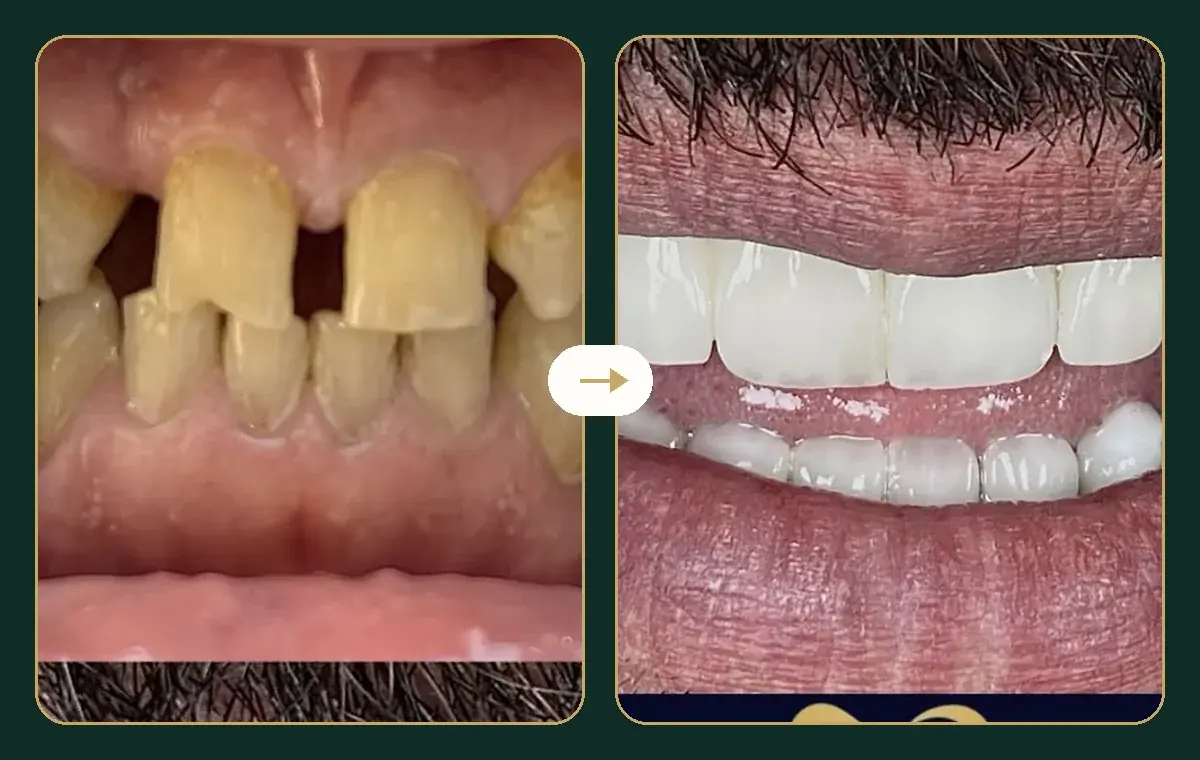
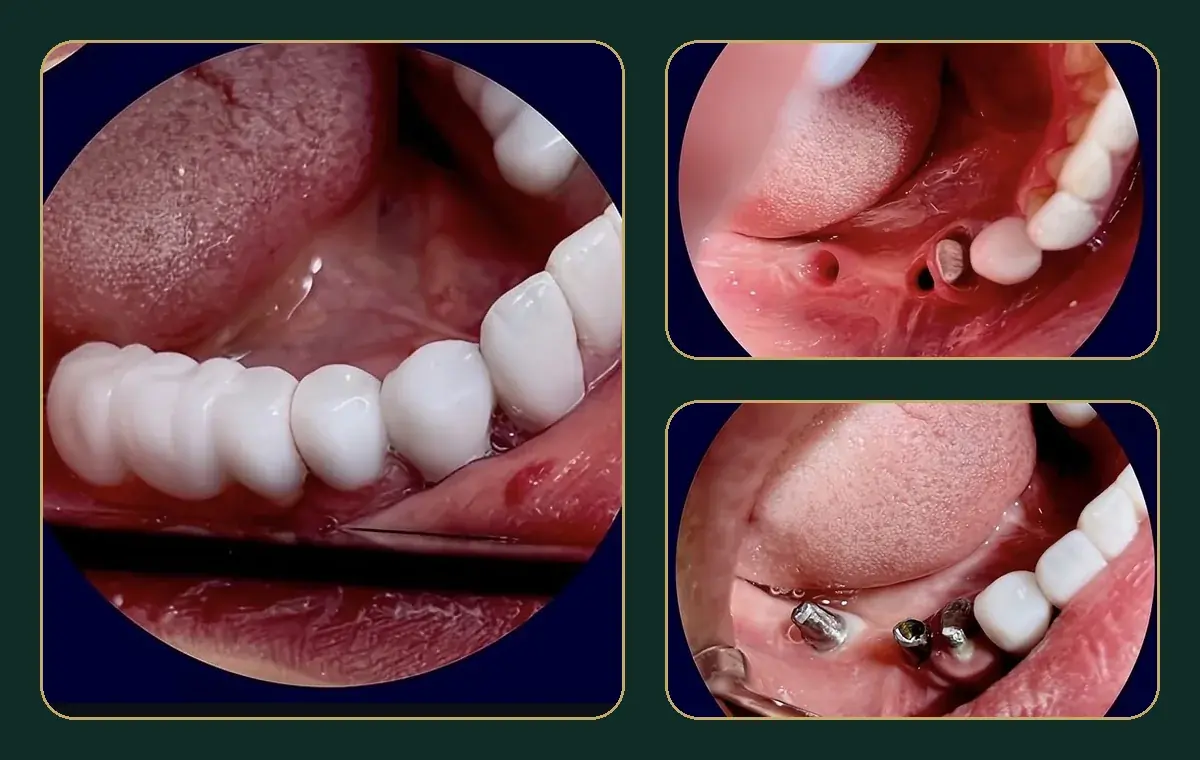
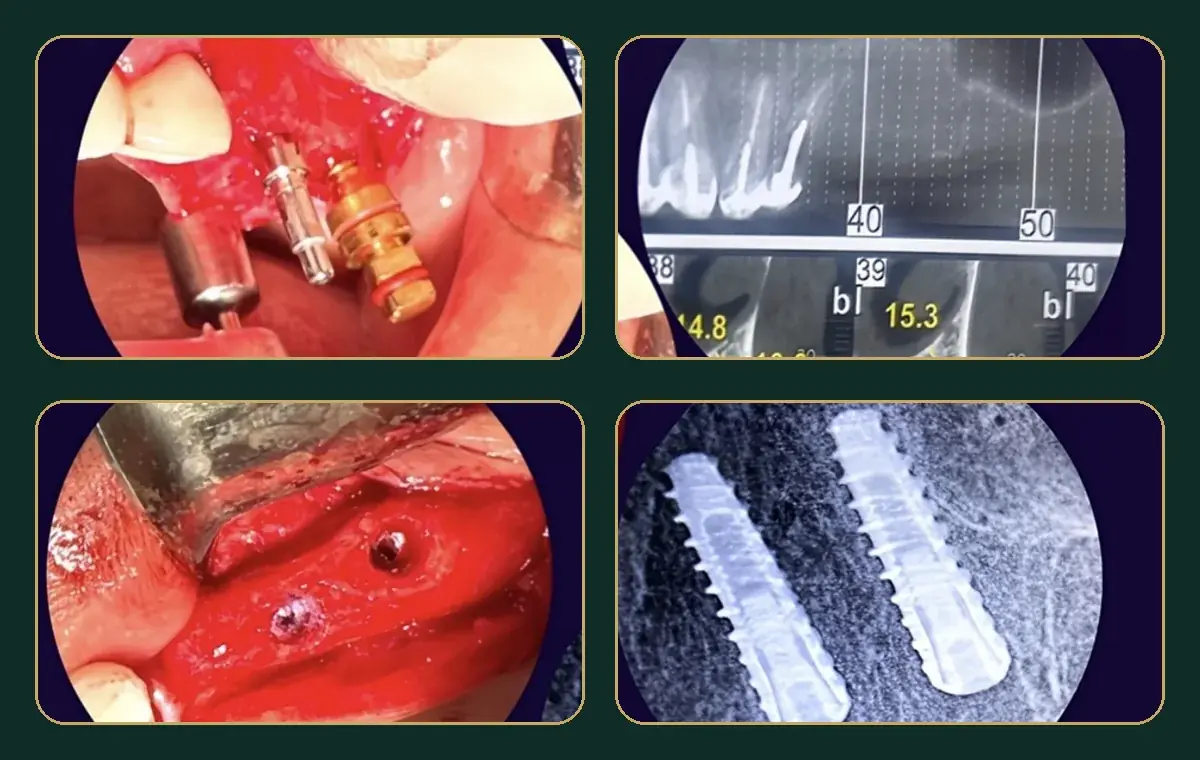
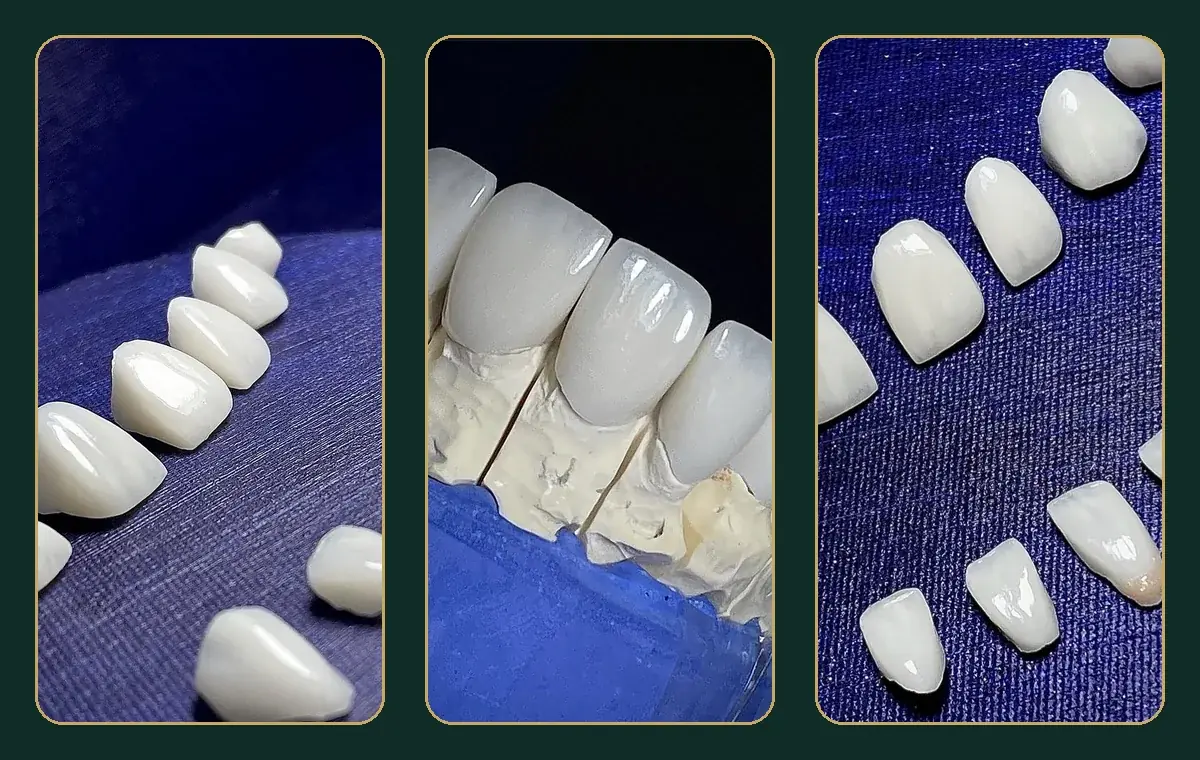
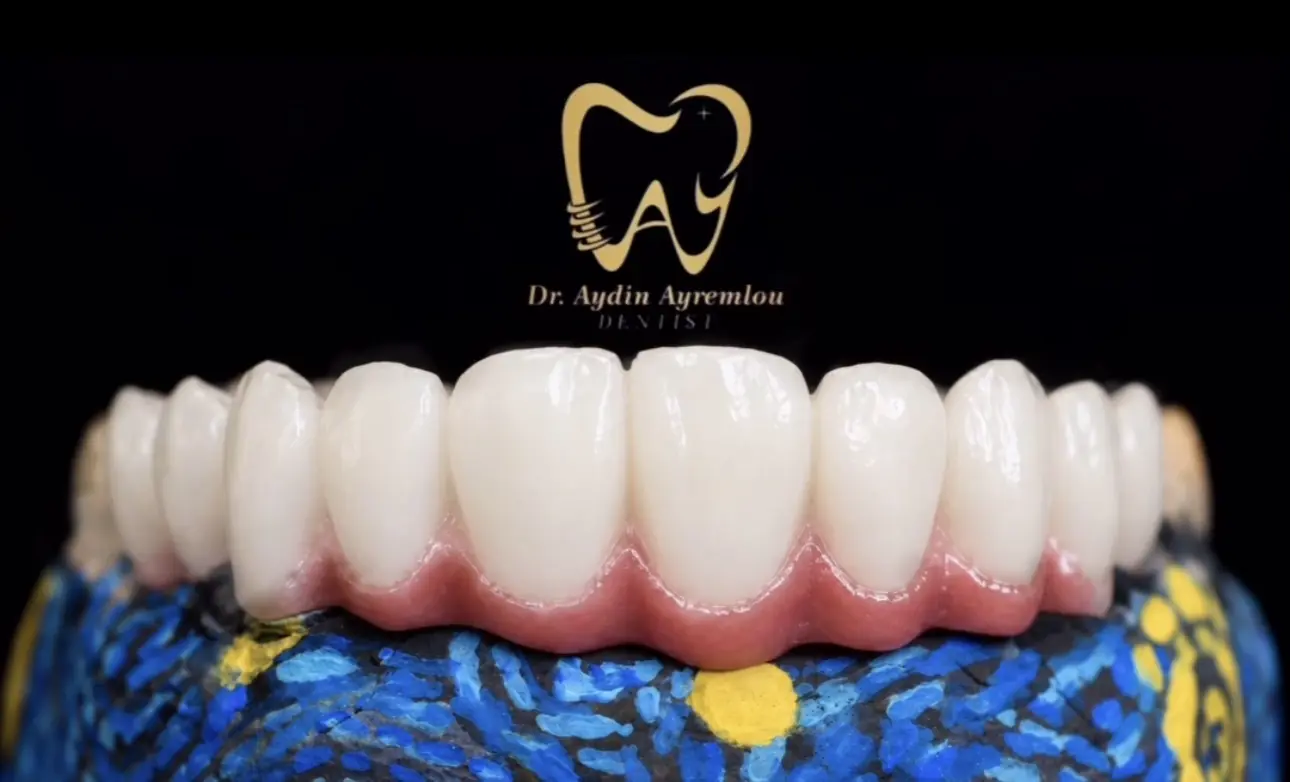
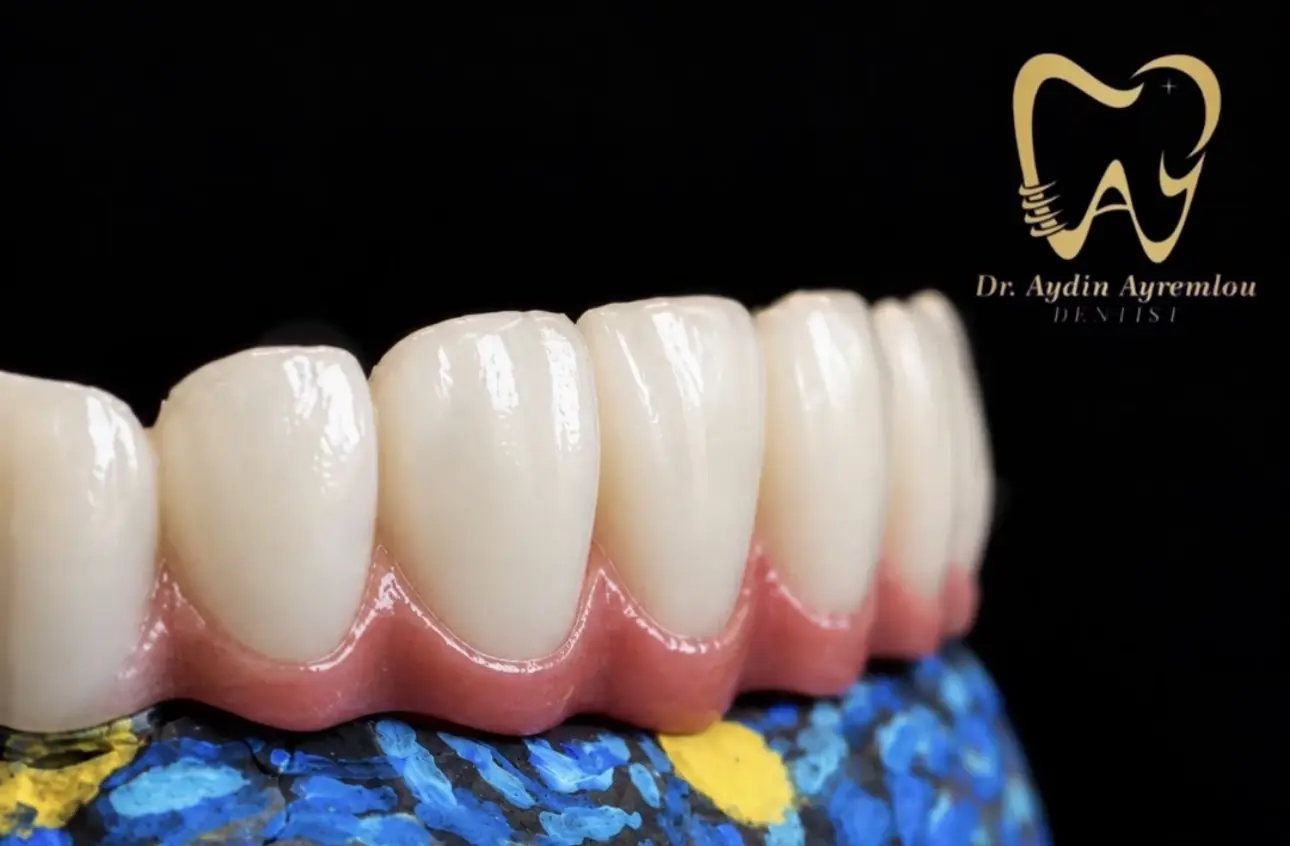
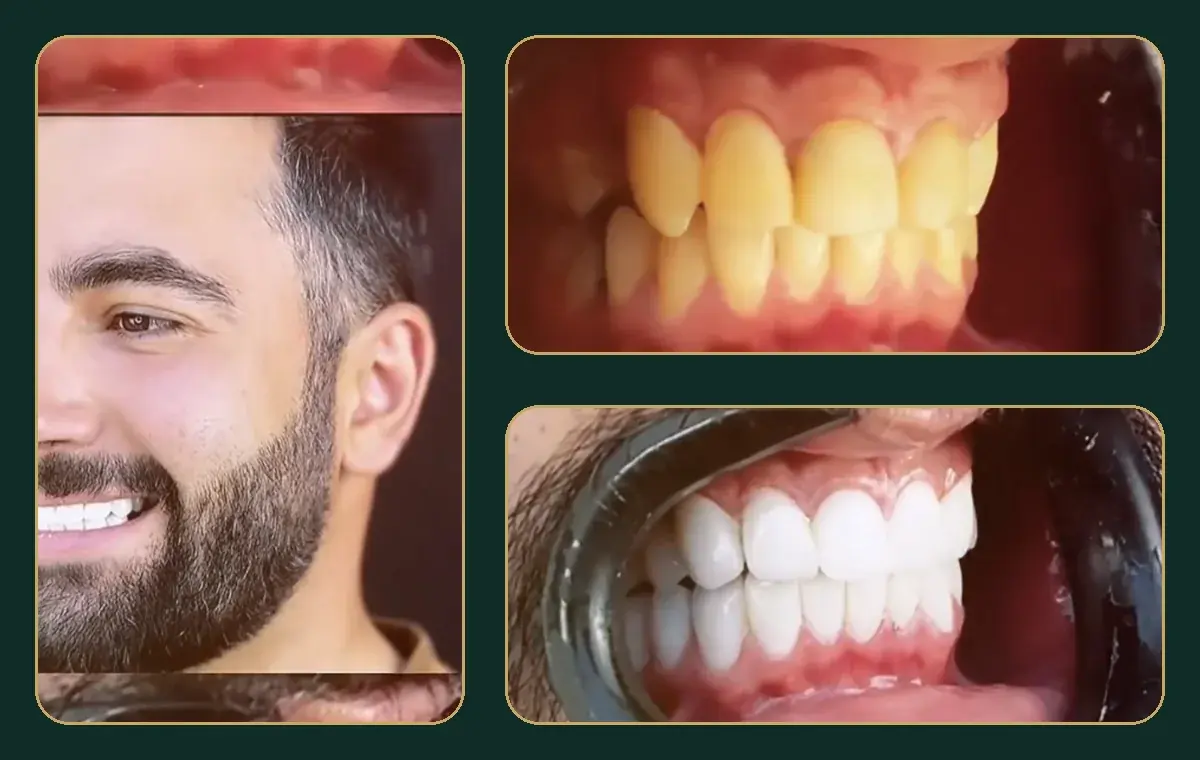
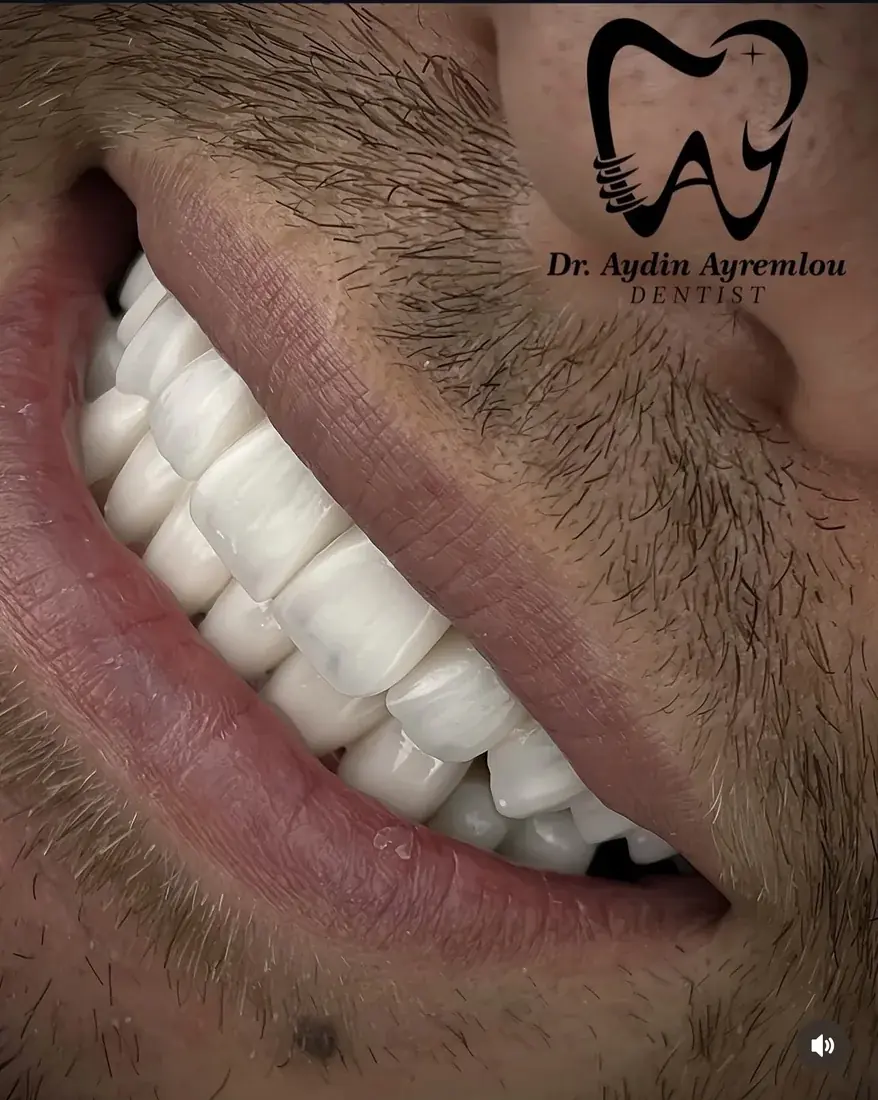
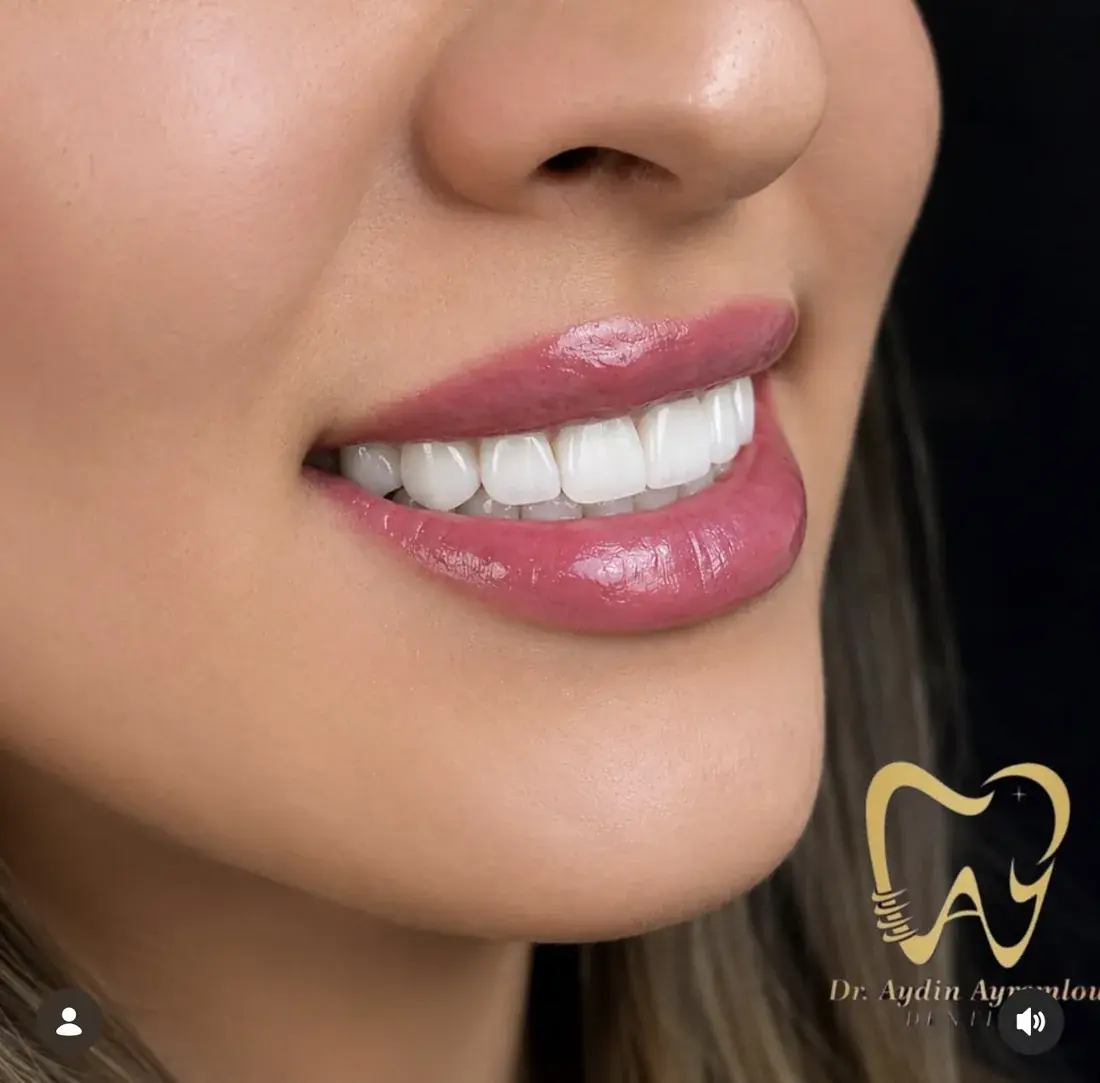


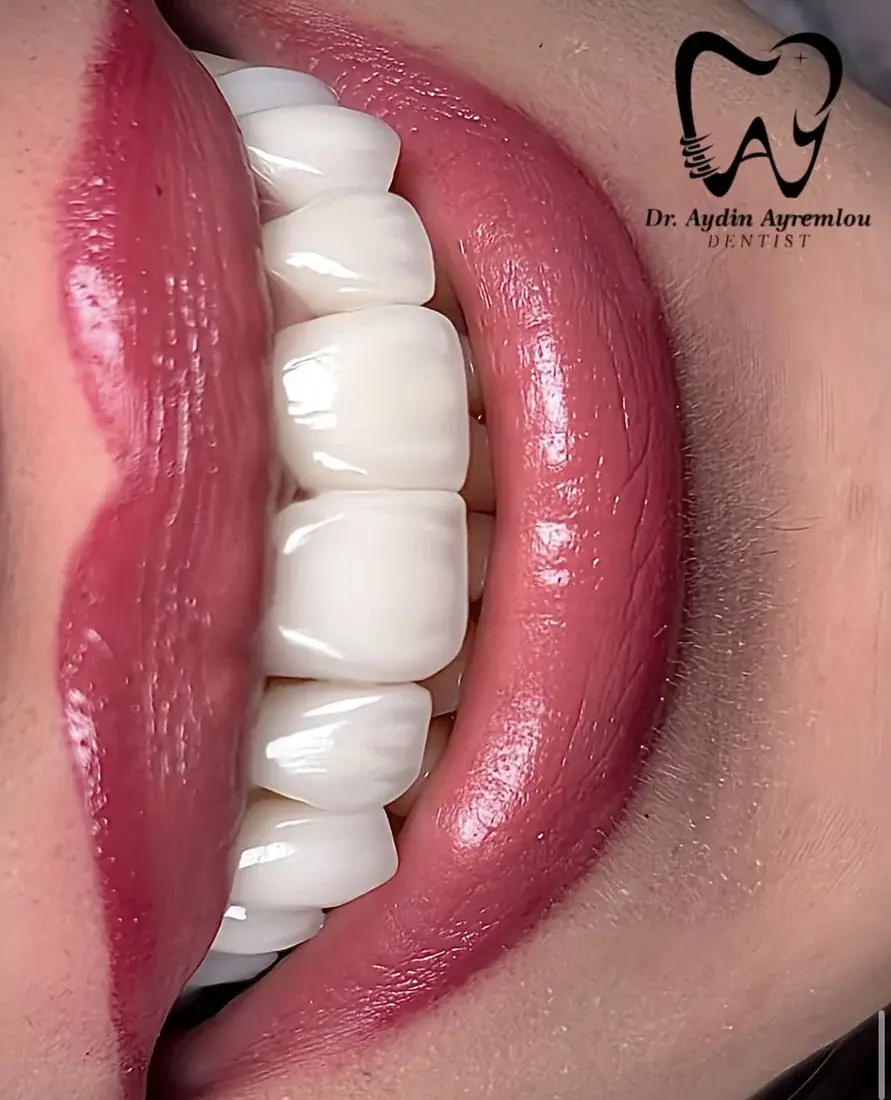

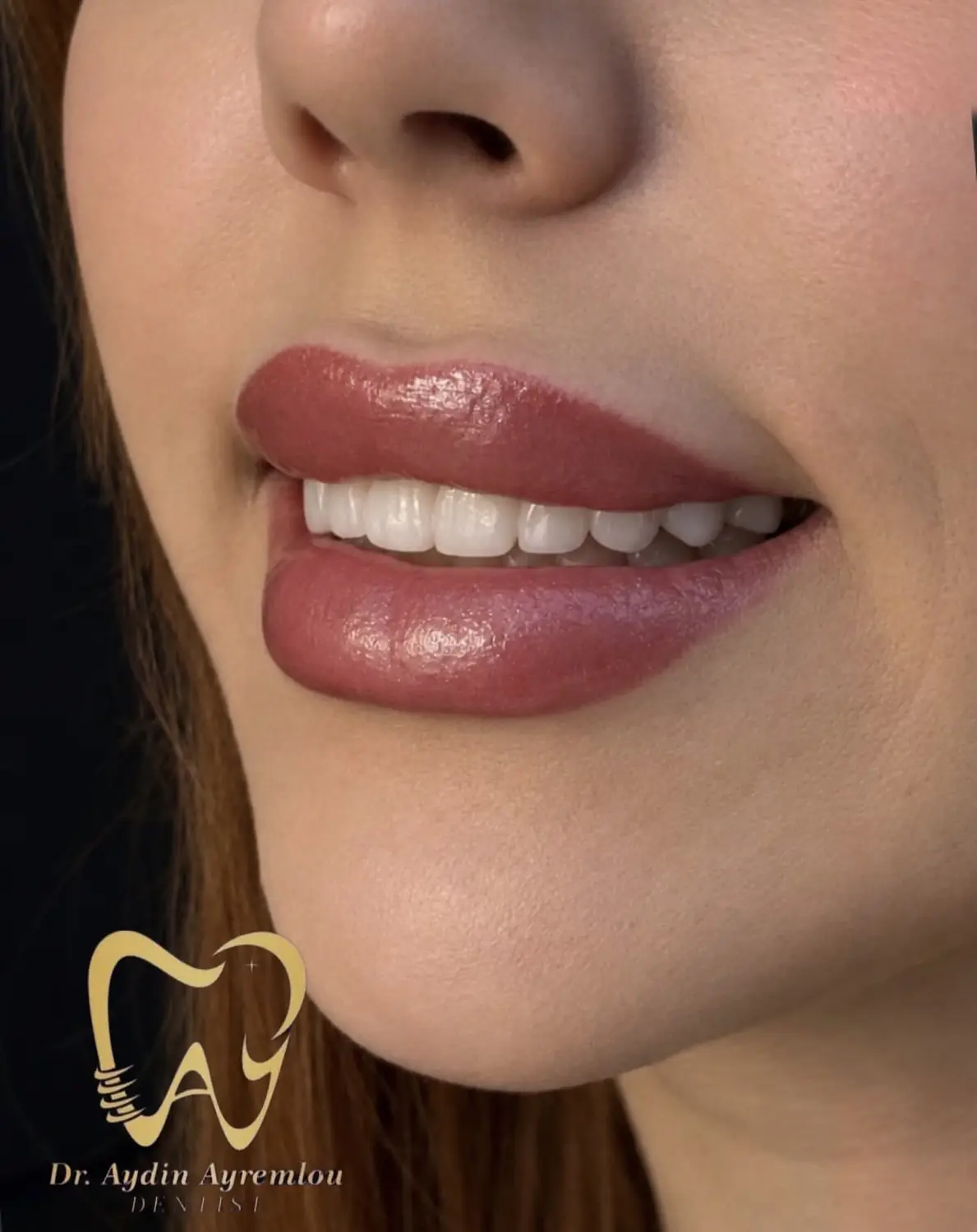
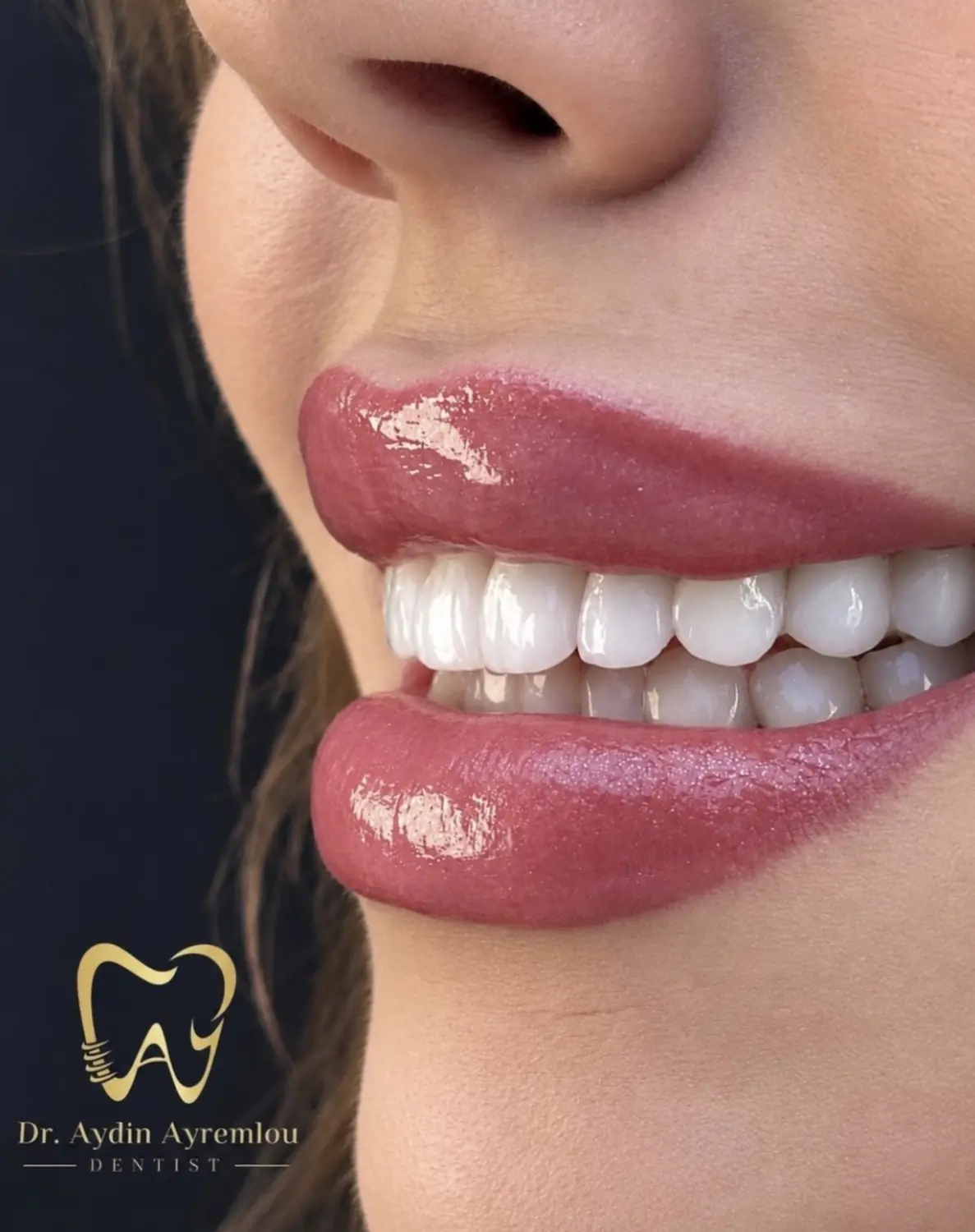
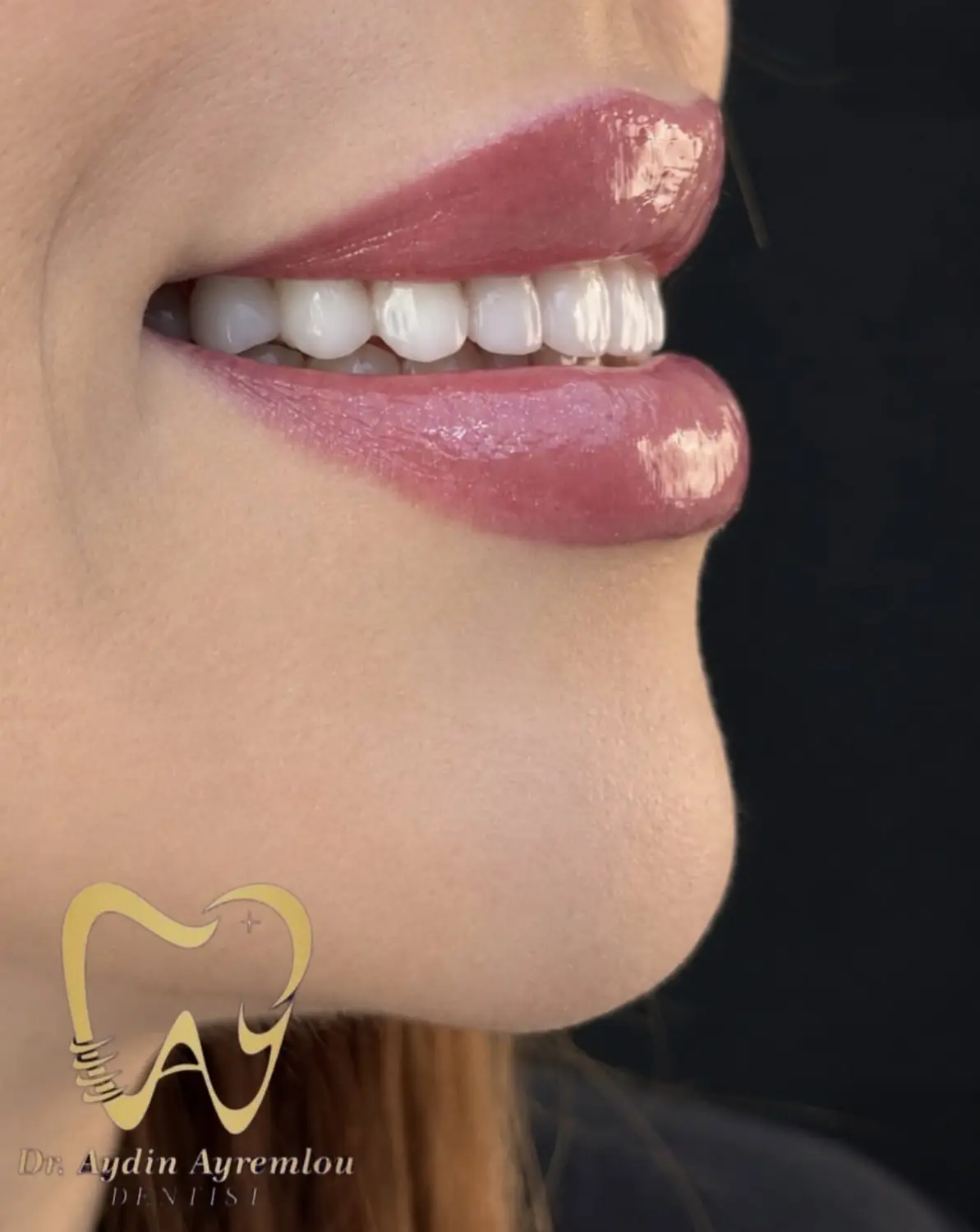
Images are presented to illustrate treatment examples only. Results may vary according to each patient’s individual circumstances.




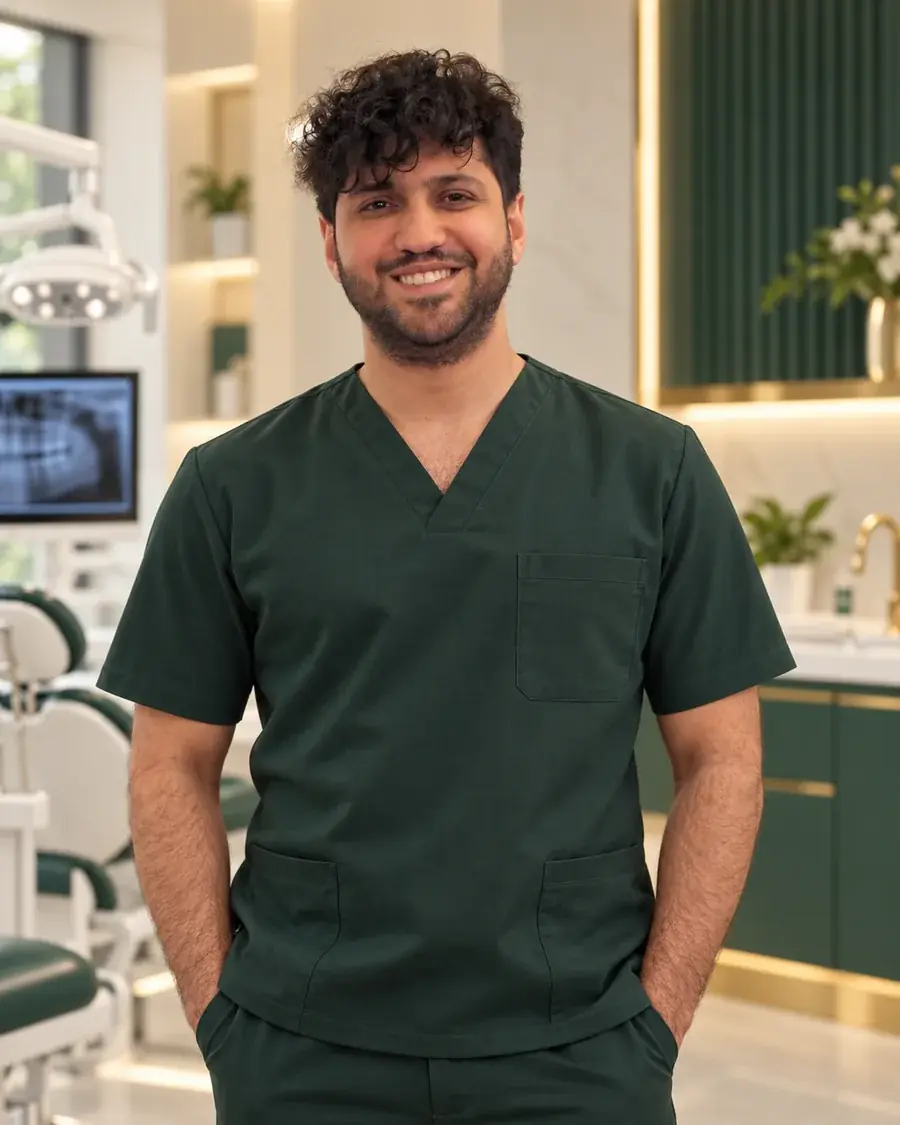
About the doctor
Professional care,
a human connection.
The goal is a result that values oral health and proper function just as highly as appearance.
From examination to follow-up
Five steps to
complete your treatment.
- 1Examination and assessment
Assessment of the mouth, teeth, gums and the patient’s primary concern.
- 2Imaging and diagnosis
Review of the required diagnostic images and completion of the clinical assessment.
- 3Treatment planning
A clear explanation of the options, sequence, timing and required care.
- 4Treatment
Step-by-step delivery of care according to the selected treatment plan.
- 5Follow-up and care
Reviewing the outcome and providing care guidance to maintain long-term health.
Frequently asked questions
What should you know
before your visit?
How long does dental implant treatment take? +
The timeline depends on bone and gum health, whether grafting or a sinus lift is required, and the type of restoration. A more accurate estimate is provided after examination and imaging.
Is dental implant placement painful? +
The procedure is performed under local anaesthesia. Post-treatment discomfort and swelling are usually manageable; their intensity and duration depend on the extent of surgery and individual factors.
Who may be a suitable candidate for dental implants? +
General health, gum condition, available bone and habits such as tobacco use must be assessed. Suitability can only be confirmed after examination and imaging.
When is a sinus lift needed? +
If there is insufficient bone height in the back of the upper jaw for an implant, a procedure to increase bone volume near the sinus may be recommended.
Is pain after root canal treatment normal? +
Brief sensitivity or mild discomfort may occur. Severe pain, swelling, fever or persistent symptoms should be assessed by a dentist.
When does a wisdom tooth need surgery? +
Pain, infection, decay, damage to a neighbouring tooth or impaction are common reasons for surgical assessment. The need for treatment is determined through examination and diagnostic imaging.
What is the difference between porcelain veneers and composite veneers? +
The two approaches differ in material, clinical stages, tooth preparation, repairability and longevity. The right choice depends on tooth health and the desired aesthetic outcome.
How long do porcelain veneers and composite restorations last? +
Longevity depends on the material, clinical execution, bite, oral hygiene and habits such as grinding. There is no single fixed lifespan for every patient.
Does whitening change the colour of crowns, veneers or composite? +
Whitening agents mainly affect natural tooth structure and do not lighten existing restorations in the same way as enamel. Colour matching should be reviewed before treatment.
What is the difference between professional cleaning and whitening? +
Professional cleaning removes calculus and deposits to support oral health; whitening is intended to lighten the colour of natural teeth.
Can professional cleaning loosen or damage teeth? +
Correct professional cleaning does not loosen healthy teeth. In advanced gum disease, removing calculus may reveal mobility that was already present and further treatment may be required.
How are treatment costs and the number of visits determined? +
The treatment type, number of teeth, tissue condition, diagnostic imaging and required materials all influence the plan. A precise estimate is provided after examination and treatment planning.
Book an appointment
Ready to begin?
Get in touch.
Send a message through your preferred channel or call the clinic directly.